Mastering the Commercial Kitchen Setup: A Comprehensive Guide by Bharti Refrigeration Works
In the rush of a busy restaurant, a poorly planned kitchen can turn a simple dinner rush into chaos. You know that feeling when chefs bump elbows or wait forever for clean dishes? A smart commercial kitchen setup changes all that. It boosts speed, cuts waste, and keeps everyone safe. At Bharti Refrigeration Works, we’ve helped countless businesses build kitchens that run like a well-oiled machine. Our years in the field make us experts at turning raw space into a hub of efficiency. Think of it as the backbone of your culinary dreams—get it right, and your profits soar.
Foundational Planning and Layout Optimization
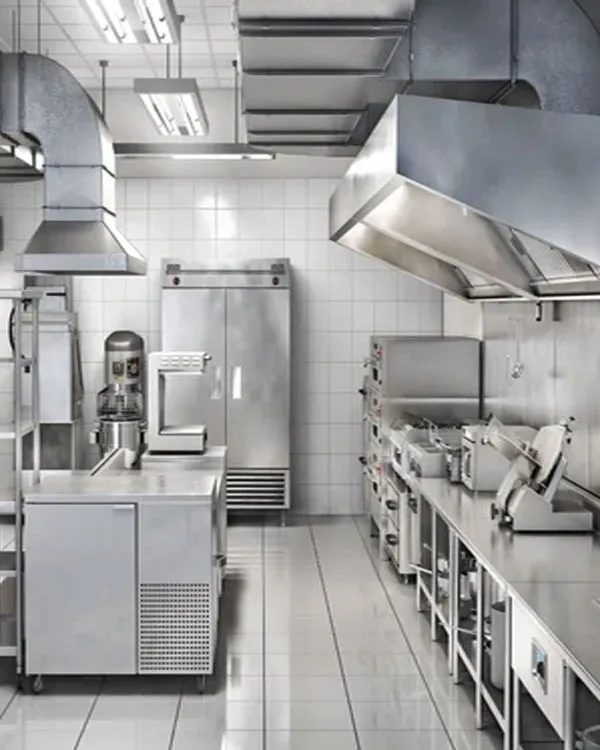
Strategic Space Allocation and Workflow Design
Picture your kitchen as a busy highway. Traffic jams slow everything down, right? The same goes for food prep. Aim for smooth flow to avoid backups.
Start with an assembly line style. Raw ingredients enter one end, finished plates exit the other. This cuts steps between tasks. A circular setup works great in smaller spots. It lets staff move without crossing paths too much.
Key tips include placing storage near prep areas. Keep cooking zones central for quick access. Measure your space first. Sketch a rough plan on paper. Tools like free software can help visualize it all.
Defining Zones: Prep, Cooking, Holding, and Washing
Break your kitchen into clear zones. Prep handles chopping and mixing. It’s best near fridges to grab fresh items fast.
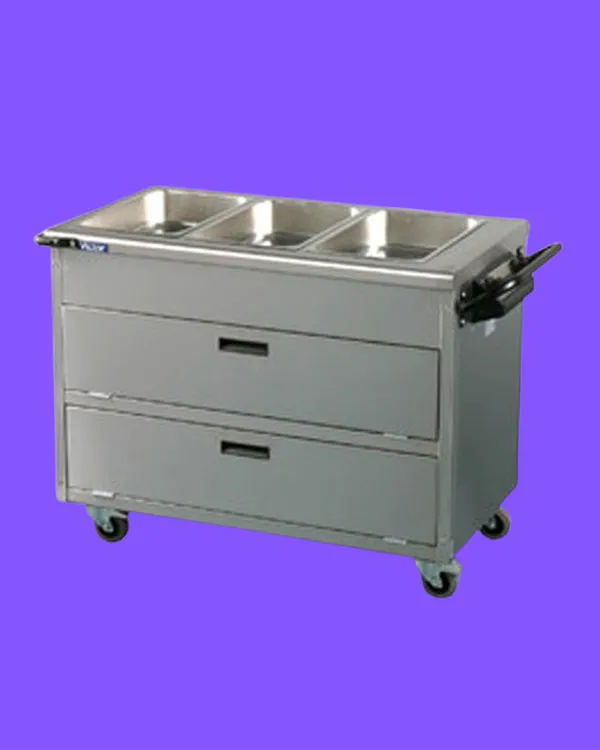
Cooking comes next, with stoves and ovens grouped together. Hot spots need room to breathe. Holding keeps food warm before serving—think plated meals waiting for the rush.
Washing stays at the back. Put it near the exit for dirty dishes to flow out easy. Keep it far from raw prep to dodge cross-contamination. Each zone should have enough elbow room. Aim for 4 feet between counters in busy areas.
Adhering to Ergonomics and Safety Standards
Staff spend hours on their feet. Bad setup leads to aches and mistakes. Set counters at waist height—about 36 inches—for easy reach.
Aisles need width too. Main paths should be 4 feet wide. This lets carts roll without spills. Add reach zones under counters for pots and tools.
Safety rules matter most. Fire exits must stay clear. No blocking with equipment. Follow codes for slip-proof floors. Test your layout with a mock run. Walk through it yourself. Spot issues early to fix them.
Navigating Regulatory Compliance and Health Codes
Rules keep your kitchen safe and open. Ignore them, and fines pile up fast. Smart planning weaves these in from day one.
Health codes cover everything from sinks to storage. Inspectors check often. Prep for that with solid choices.
Materials must resist germs. Pick smooth surfaces that wipe clean. Ventilation pulls smoke away quick.
Understanding Local Health Department Prerequisites
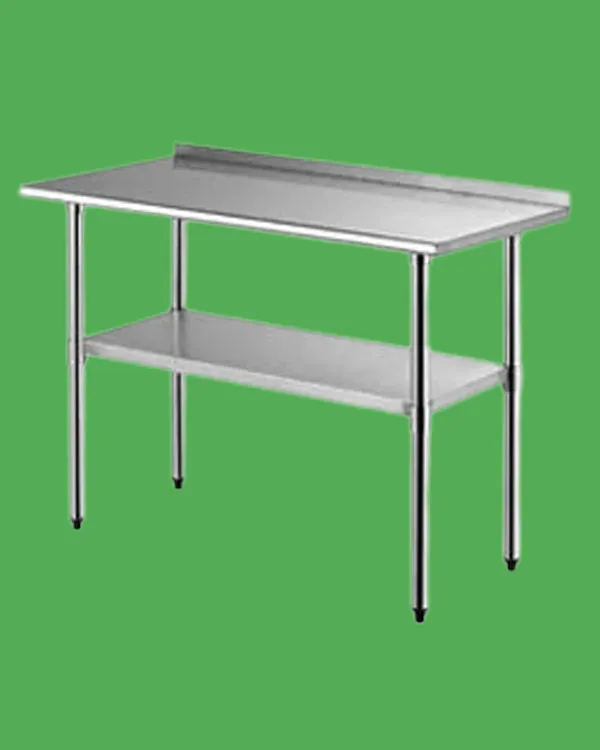
Local rules vary by city. But basics stay the same. Surfaces need to be non-porous. Stainless steel shines here—no cracks for bacteria.
Ventilation must capture steam and grease. Hoods cover cooking lines fully. Plumbing access helps inspectors peek under sinks.
Add handwashing stations near exits. Use hot water and soap dispensers. Space them every 20 feet in big kitchens. Check your area’s health site for exact needs. Call them early. It saves headaches later.
Choosing NSF-Certified Equipment
NSF stamps mean gear meets clean standards. Look for it on fridges and sinks. It proves they handle tough use.
Install with care. Wrong setup voids the cert. Hire pros who know the drill.
This choice cuts illness risks. Customers trust a spotless operation. Bharti Refrigeration Works picks only top NSF gear. We ensure it fits your flow.








Critical Equipment Procurement: Refrigeration as the Core
Selecting the Right Commercial Refrigeration Systems
Food safety hinges on cold storage. One bad fridge spoils batches. Pick right, and you save cash on energy too.
Bharti Refrigeration Works leads here. We tailor systems to your menu. From small cafes to big hotels, our installs last.
Think about daily volume. High-turnover spots need quick chill. Energy stars lower bills over time.
Walk-In vs. Reach-In Units: Capacity Planning
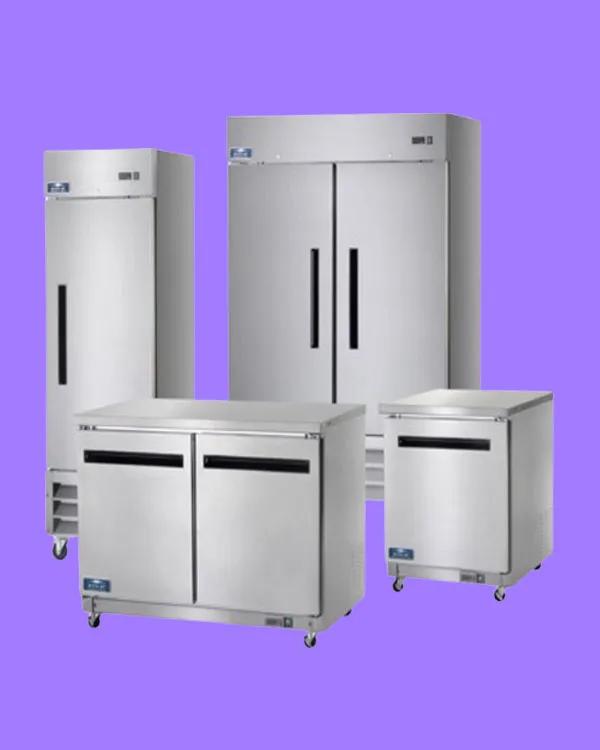
Walk-ins suit bulk buys. They hold tons for big ops. Measure your space—add doors and shelves right.
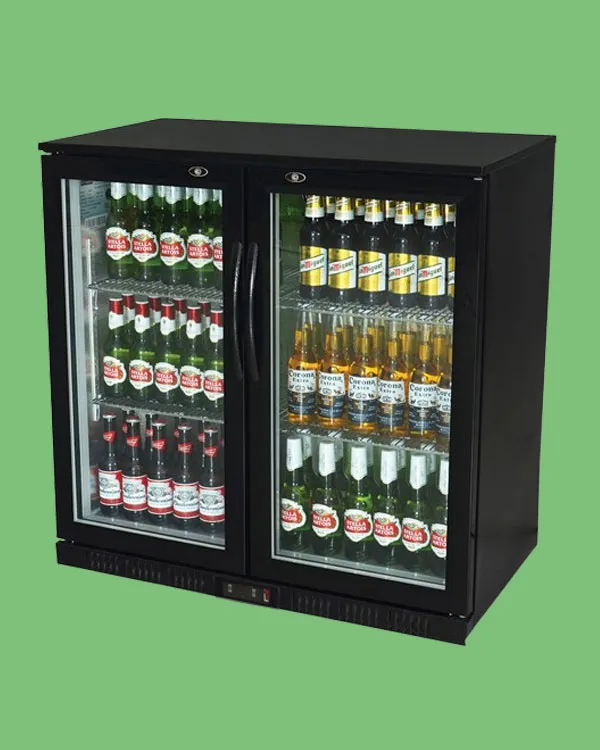
Reach-ins fit tight spots. Use them up front for easy grabs. Like near the line for quick sauces.
Calculate cubic feet by menu. A steakhouse might need 200 feet for meats. Factor in growth. Start 20% bigger. Track sales to refine it.
- Pros of walk-ins: Huge capacity, custom temps.
- Reach-in perks: Mobile, plug-and-play.
- Tip: Mix both for balance.
Specialized Cooling Needs: Blast Chillers and Freezer Drawers
Blast chillers drop temps fast. They halt bacteria growth after cooking. Fine dining loves them for safe holding.
Freezer drawers slide under counters. Perfect for proteins in prep zones. Keep them at zero degrees.
These tools meet health codes easy. Chillers cut waste by 30%, per industry stats. Invest if you plate ahead. They pay off quick.
Ventilation and Exhaust System Imperatives
Hot kitchens tire staff fast. Good air flow keeps it cool. It pulls out fumes too.
Without it, grease builds up. Fires spark easier. Plan exhaust with your layout.
Balance intake and outtake. This stops drafts and boosts comfort.
Hood Type Selection: Type I vs. Type II Systems
Type I hoods handle grease. Use over fryers and grills. They filter vapors to cut fire risk.
Type II deals with steam. Think over dishwashers or ovens. No grease, so simpler design.
Match to appliances. A pizza oven needs Type I. Boiling pots? Type II works. Size hoods to cover fully—overlap edges by 6 inches.
Make-Up Air Considerations
Exhaust sucks air out. Replace it with make-up units. This feeds appliances steady.
Poor air slows hoods. Smoke lingers. Staff feels the heat more.
Size make-up to match exhaust CFM. Pros calculate it best. Comfort rises, and gear runs smooth.
Utility Infrastructure and Installation
Power Requirements and Gas Line Planning
Kitchens guzzle power. Wrong wiring trips breakers mid-shift. Plan loads before buying gear.
Add up amps for all items. Ovens pull the most. Buffer 25% for peaks.
Gas needs equal care. Wrong size starves flames.
Single-Phase vs. Three-Phase Power Needs
Single-phase suits small setups. Like basic fridges on 120 volts.
Three-phase powers big stuff. Convection ovens hum on it. Check panels—upgrade if needed.
Call an electrician early. They spot if your building fits. Avoid blackouts during rush.
Gas Line Sizing and Safety Protocols
Gas lines must match BTU needs. A broiler might want 100,000 BTUs.
Hire plumbers for sizing. Leaks spell danger—install shutoffs.
Test lines before light-up. Codes demand pro signs-off.