- +91-9212270950, 9911445055, 9810259091

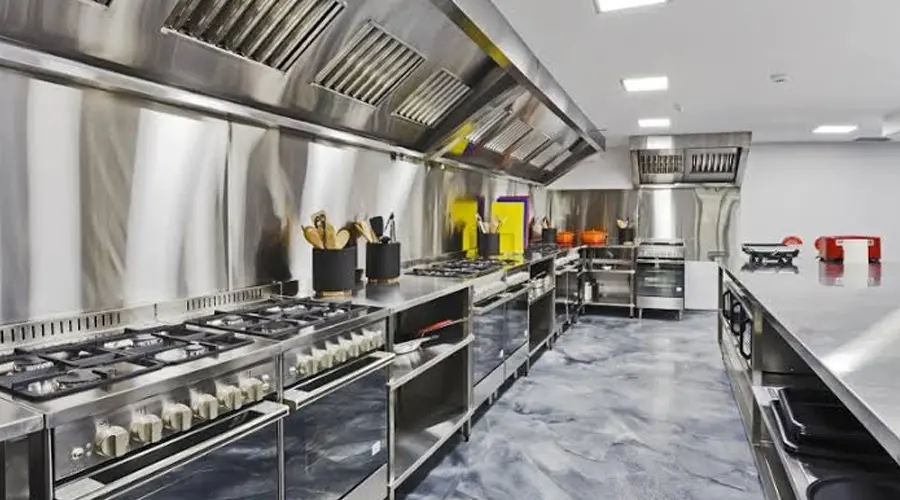
A plate can leave the kitchen late because an ingredient is stored too far away, a work area is crowded, or equipment is poorly placed. A smart hotel kitchen setup in Delhi brings the layout, refrigeration, and cooking equipment together to help protect food quality and support timely service. The right plan starts with the hotel’s menu, space, and daily workload, not a standard equipment list. Bharti Refrigeration can be part of that planning discussion, with all product and service details confirmed before a decision.
The kitchen needs to support what the hotel serves and how guests order it. A breakfast buffet, room service, and a busy dinner service can place different demands on storage, preparation, and cooking areas. Map the work before choosing equipment.
Trace ingredients through receiving, storage, preparation, cooking, plating, and dispatch. Check where staff need to move, handle food, or wait for equipment during each stage. A clear path can cut back on needless steps and help prevent work from piling up near a doorway or pass.
Review the menu, expected busy periods, kitchen size, staffing, and storage needs together. A broad menu may call for different prep tasks, while a focused menu may need fewer stations but enough capacity for peak service. Ask kitchen staff and equipment teams to check the plan against real daily demand.
Distinct areas for food prep, cooking, cleaning, and cold storage can help staff keep tasks organized. The best arrangement depends on the floor plan, utilities, and service flow, so avoid copying another hotel’s layout without checking fit. Leave enough room for staff to work and move safely.
Refrigeration supports food quality and day-to-day kitchen work. The right type and capacity depend on what the hotel buys, how often supplies arrive, and what the menu requires. Plan storage alongside preparation areas rather than treating it as a separate decision.
List the ingredients that need chilled or frozen storage, along with the quantities used during normal and busy service. Consider delivery schedules and how long items may need to stay in storage. This review helps the team discuss storage needs before selecting equipment.
Position cold storage near the work areas that use its contents most, where the site layout allows. Staff should be able to reach ingredients without blocking walkways or interrupting other tasks. Keep access, door clearance, and the movement of food and staff in mind.
Set a routine for checking and recording storage conditions, cleaning equipment, and reporting concerns. Follow the equipment maker’s instructions and applicable food-safety requirements. Plan maintenance access too, so routine care doesn’t become difficult once the kitchen is busy.
A coordinated equipment plan can help the kitchen meet its service needs without crowding the work areas. Choose equipment based on the menu and how food is prepared, cooked, held, and served. Confirm that each item has a clear role in the operation.
Look at the dishes served during the busiest periods and note the tasks that need the most time or space. Cooking, prep, holding, and refrigeration needs will vary by menu and service style. Share these details with the equipment team before reviewing options.
Keep frequently used tools and ingredients close to the staff members who need them. Check that workers can move between stations without crossing paths unnecessarily or reaching across hot work areas. A practical workstation can save small amounts of time throughout a service.
Before committing, review how each item must be cleaned and what access is needed for upkeep. Ask about operating instructions, service support, maintenance options, and warranty terms. These details help the hotel judge how well an equipment choice fits its daily routines.
A kitchen plan must fit the building as well as the menu. Site checks can reveal limits that affect equipment choice, delivery, or installation. Review them before finalizing the layout or purchase.
Measure the kitchen and check the location of utilities and ventilation. Confirm that equipment can reach its intended position through the building’s entry points, corridors, and lifts. Early checks can help the team spot access or space issues before delivery.
Ask qualified professionals and relevant authorities to confirm applicable food-safety, fire, building, electrical, and ventilation requirements. Requirements can depend on the property and the planned work, so don’t rely on assumptions. Keep approvals and responsibilities clear as the setup takes shape.
Plan how staff should respond when equipment needs service or a busy period strains normal routines. Set clear steps for reporting faults and handling food safely if storage conditions are in doubt. A shared procedure helps staff act quickly and consistently.
A useful planning discussion starts with clear details about the hotel’s needs. Share the operating context and ask how each recommendation fits the site. Confirm the scope in writing before ordering equipment or scheduling work.
Prepare the menu, kitchen dimensions, service volume, storage needs, and any installation limits. Include details about peak service periods and how often supplies arrive. This gives Bharti Refrigeration a clearer basis for discussing possible equipment needs.
Ask how each proposed item supports the kitchen’s workflow, capacity, cleaning, and maintenance needs. Check whether it will fit the available space and remain easy for staff to use. A recommendation should make sense for the hotel’s daily work, not only on paper.
Before proceeding, document equipment specifications, delivery and installation responsibilities, warranty terms, and available maintenance or support. Confirm who handles each task and how the hotel should raise a service request. Verify every detail with Bharti Refrigeration before finalizing the setup.
Good equipment needs clear staff routines to support consistent service. Once the kitchen is running, review how teams use the space and follow food-handling procedures. Their feedback can show where the setup works and where it needs attention.
Show staff how to operate equipment and follow the hotel’s cleaning and food-handling steps. Make sure they know whom to contact when an item needs attention. Clear instructions can reduce confusion during a busy shift.
Check whether staff can find ingredients and use workstations without avoidable delays. Review storage checks and cleaning routines as part of regular kitchen oversight. If service patterns create recurring bottlenecks, discuss what needs to change.
Menus, occupancy, and guest service patterns can shift over time. When those changes affect prep work or storage needs, review the layout and equipment plan with the kitchen team. Small adjustments may help the setup keep pace with the hotel’s actual workload.
A smart hotel kitchen setup in Delhi starts with the menu, service flow, site conditions, and storage needs. Organized work zones, suitable refrigeration, well-matched equipment, planned maintenance, and trained staff all support a smoother operation. Share your requirements with Bharti Refrigeration, then confirm product details, installation scope, and support arrangements before moving ahead.