- +91-9212270950, 9911445055, 9810259091

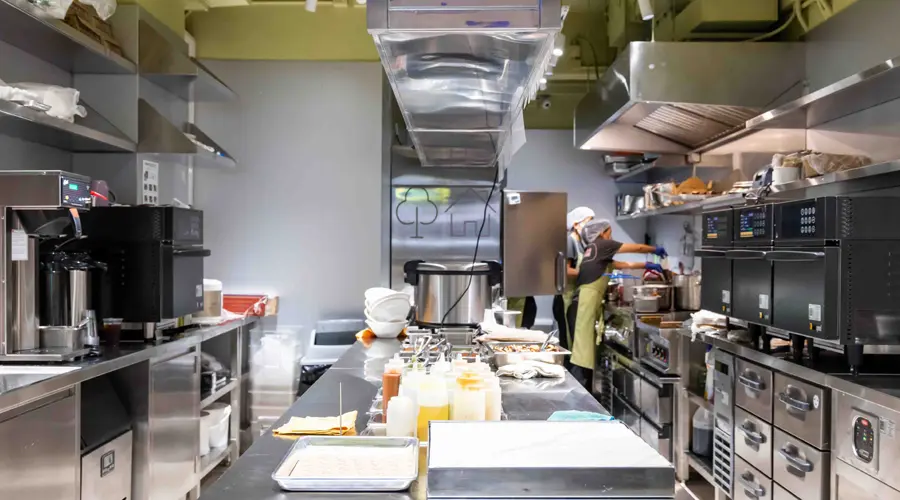
A delivery-only kitchen can reach customers across Delhi without paying for a dining room. But a good menu and a busy delivery app won’t fix a site with weak utilities, missing approvals, or a fridge that can’t keep up. Building a cloud kitchen in Delhi takes three early decisions: check the rules for your site, plan the workflow, and choose equipment that fits your menu and expected orders. Bharti Refrigeration may be one equipment partner to consider; start with your operating needs, then compare suitable options.
Compliance checks should begin while you’re assessing a property, not after you’ve paid a deposit or started construction. Requirements can vary with the business, food activities, premises, and local authority. Confirm what applies to your specific site with the relevant departments and a qualified adviser.
Food businesses need the FSSAI registration or licence that matches their activity and scale. Check current eligibility, application steps, and document requirements through the Food Safety and Standards Authority of India and its FoSCoS portal. Don’t assume another business’s licence covers your operation; confirm the right status for your own business and premises.
Ask the local municipal authority about permissions that may apply to the property and its intended use. Review your lease, landlord conditions, and any housing society rules before committing. Fire-safety duties vary by site, so check applicable requirements with the Delhi Fire Service and confirm whether the building’s existing provisions suit your planned kitchen.
GST registration, employment-related registrations, signage permissions, and waste or pollution rules may apply, depending on your setup. The right answer can change with your business structure, staff, and premises. Ask the relevant department or a tax and compliance adviser to check your obligations before opening.
A site can look affordable and still create daily problems if delivery riders can’t reach it or the power supply can’t support the equipment. Check practical details before paying a deposit or approving fit-out work. A short site review can help you avoid costly changes later.
Confirm that the property has enough power for cooking and cold storage, along with reliable water, drainage, and suitable ventilation. Ask the landlord or building manager about restrictions on exhaust systems, electrical upgrades, and operating hours. Check rider access, loading space, and distance from your target delivery area, too.
Plan a clear route from receiving and storage to prep, cooking, packing, and dispatch. Keep raw ingredients apart from ready-to-eat food, and avoid layouts where dirty dishes cross the packing station. Place worktables and equipment so staff can move without blocking each other during busy periods.
Provide handwashing access, washable work surfaces, pest controls, and space for cleaning supplies. Set up separate storage for raw and ready-to-eat ingredients, with clear labels and a stock-rotation routine. Use FSSAI guidance to shape your food-safety procedures and train staff to follow them every shift.
Equipment should match the food you sell, the volume you expect, and the space you have. A small menu with frequent deliveries may need a different cold-storage plan than a kitchen holding more stock between deliveries. Bharti Refrigeration can be included in your supplier search, but compare its recommendations with your site’s needs and other suitable options.
Estimate how much fresh, frozen, and prepared food you’ll store on a normal day and during peak demand. Factor in delivery frequency, the number of storage zones, and safe separation between ingredients. Check temperature monitoring and stock rotation plans, and make sure staff can reach stored items without blocking the kitchen flow.
Match each unit’s capacity and footprint to your workload and available power. Check that staff can clean around and beneath equipment, and ask suppliers about specifications, installation needs, warranty terms, and service support. When speaking with Bharti Refrigeration or another supplier, confirm that the proposed equipment suits your menu and expected hours of use.
Set a routine for cleaning, temperature checks, and preventive maintenance before the first order arrives. Decide who records readings and who to call if a unit fails. Have a clear plan for power cuts or equipment breakdowns so staff can protect stock and act quickly.
A meal can leave the kitchen on time and still disappoint if it arrives soggy, cold, or leaking. Test how each dish holds up after packing and handling, not only how it tastes straight from the stove. Simple written routines help keep quality steady across shifts.
Write down recipes, portion sizes, prep levels, and station duties. This helps different staff prepare the same dish with consistent taste and quantity. Run trial orders to check cooking times, handoffs, and busy-period bottlenecks before accepting full order volume.
Choose packaging that fits the food, resists leaks, and allows ventilation where needed. Keep hot and cold items apart, and label orders clearly. Test packed dishes under realistic delivery conditions to check temperature, appearance, and how well containers handle movement.
Use clear logs for opening checks, cleaning, cold-storage temperatures, stock rotation, and equipment issues. These records help staff spot missed tasks and recurring problems. They can also support food-safety routines and give managers a clearer view of what needs attention.
Before fit-out, review site permissions, building and fire requirements, utility capacity, drainage, ventilation, and planned equipment placement. Before opening, check FSSAI status, staff training, cleaning routines, and temperature checks. Keep copies of approvals, purchase records, warranties, and service contacts where managers can find them.
Start with a limited trial and test cooking times, packaging, rider handoffs, and cold-storage routines. Watch where staff wait, where orders pile up, and which dishes lose quality in transit. Use what you observe to adjust prep levels, staffing, and station layout.
Review food waste, order delays, customer feedback, equipment downtime, and utility use. These measures can show where purchasing or prep plans need a change. Keep preventive maintenance on the calendar, and revisit your workflow as order patterns become clearer.
A strong launch rests on three linked choices: verify the rules for the specific premises, design a safe and efficient workflow, and buy equipment suited to your menu and workload. Requirements can change, so confirm current rules with official sources before signing a lease or starting fit-out work. Consider Bharti Refrigeration as a potential equipment partner, and check every product specification and service term against your site. Do the checks early, test the operation before scaling orders, and build a kitchen that can serve customers reliably.